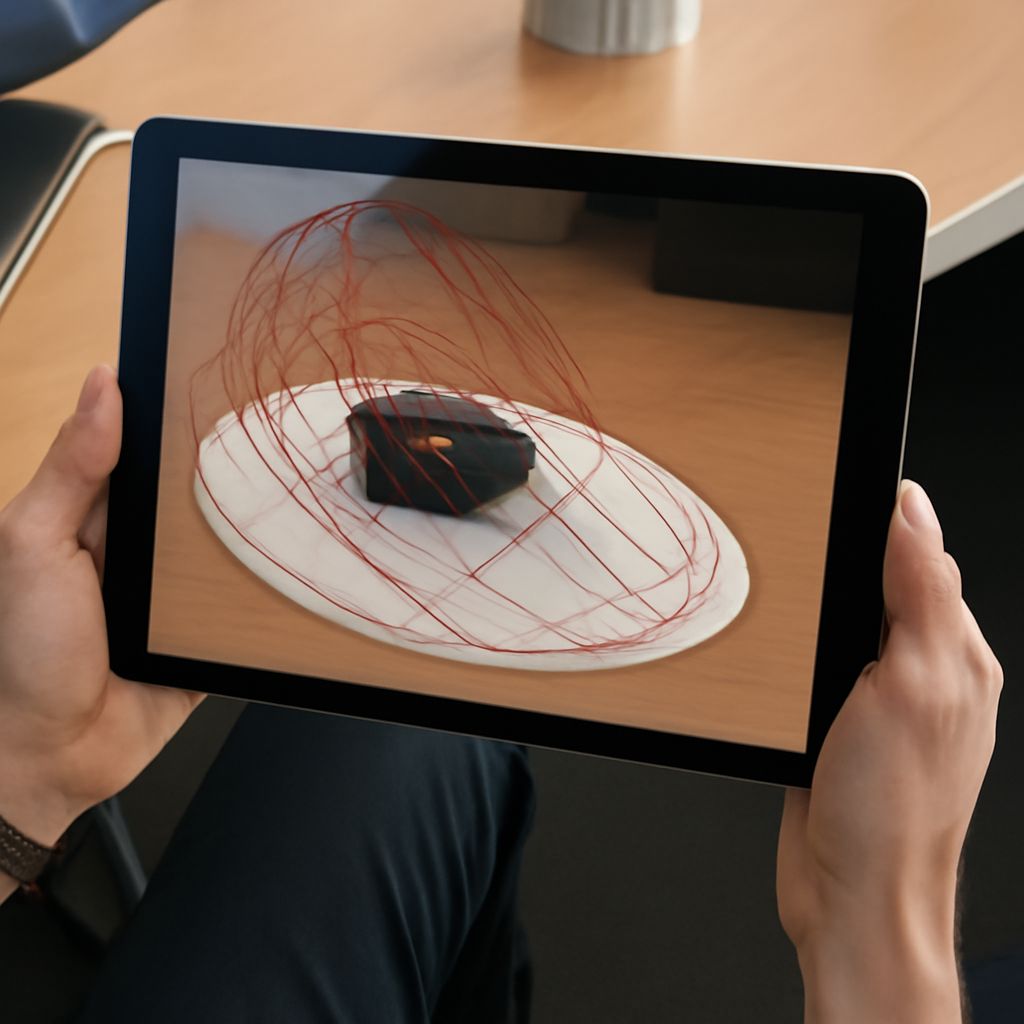
Incorporating augmented reality (AR) into your design process can revolutionize how users interact with digital content. By intertwining virtual elements with the real world, AR provides a dynamic layer to interface and graphics design, making it more engaging and immersive. Here, we dive into creative AR ideas to enhance your digital projects.
Exploring augmented reality in design
Augmented reality is a technology that blends digital content with the physical world, offering an interactive experience. For designers, this means an opportunity to create interfaces that are not only visually appealing but also functionally enriched. By integrating AR, you can transform static designs into interactive platforms, allowing users to experience products and services in an innovative way.
One of the key benefits of using AR in design is the ability to visualize and manipulate objects in a real-world context. This can enhance user understanding and engagement, making your designs more impactful. For example, AR can be used to overlay digital information onto real-world objects, providing users with additional insights and context.
Practical applications of AR in graphics
There are numerous ways AR can be applied to graphics to enhance user experience. One popular application is in retail, where AR allows customers to visualize products in their own environment before making a purchase. This is particularly useful for furniture and home decor, where users can see how a product will look and fit in their space.
Another practical application is in education. AR can bring textbooks to life, providing interactive 3D models that students can explore and manipulate. This not only makes learning more engaging but also aids in the comprehension of complex concepts. Similarly, in the field of architecture, AR can be used to present building plans in a more tangible form, allowing clients to take virtual walkthroughs of spaces before they are built.
Inspiring examples of AR in interfaces
Several companies have successfully implemented AR in their interfaces, setting a precedent for others to follow. For instance, the IKEA Place app allows users to place furniture in their homes using AR, providing a realistic preview of how the items will look and fit.
The gaming industry also offers notable examples, such as Pokémon GO, which integrates AR to create an immersive experience by allowing players to find and capture virtual creatures in real-world locations. This blend of physical and digital interaction has become a benchmark for engaging AR applications.
Moreover, the fashion industry is exploring AR for virtual try-ons, allowing customers to see how clothes and accessories will look on them without physical contact. This innovation not only enhances the shopping experience but also reduces the rate of returns by enabling better-informed purchase decisions.
By exploring these creative AR ideas for interface and graphics design, you can elevate user interaction and engagement, setting your projects apart in a competitive landscape. Embrace the potential of augmented reality to bring your designs to life in new and exciting ways.