Category: Logic & Algorithms
-

Understanding If Else Statements in Computing
Learn how if else statements work in computing, including their structure, logic, and practical examples to improve your programming skills.
-

Understanding the Luhn Algorithm
Learn what the Luhn algorithm is, how it works, and its applications in credit card number validation with this comprehensive guide.
-
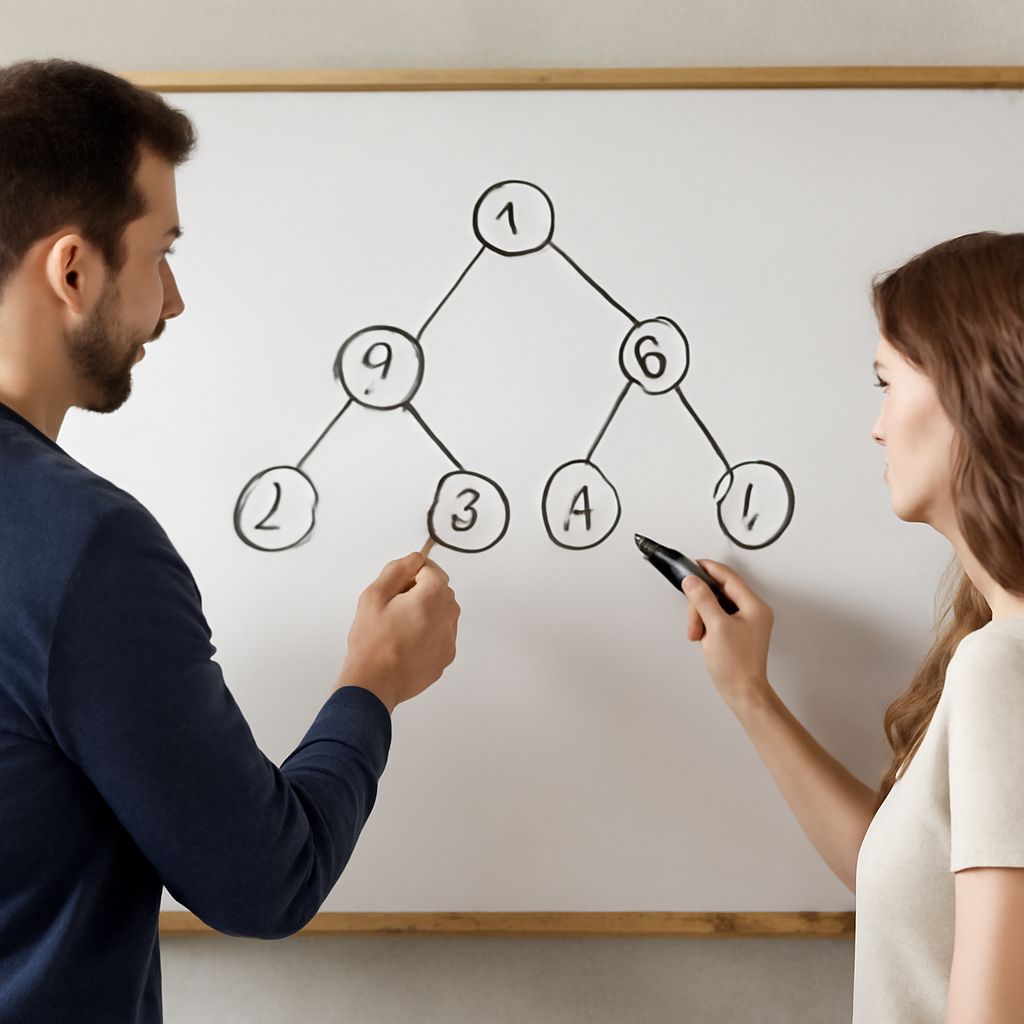
How to Validate a Binary Search Tree
Learn how to validate a binary search tree using efficient algorithms. Understand the key principles and methods needed to determine if a tree is a valid BST.
-

Understanding the KMP Algorithm in Computing
Explore the KMP algorithm, a string searching method, and its logic. Learn how the Knuth-Morris-Pratt algorithm efficiently finds pattern matches.
-

Understanding AND and OR Gates in Boolean Logic
Learn how AND and OR gates function in Boolean logic, their roles in computing fundamentals, and their applications in digital circuits.
-

Understanding Linear Probing in Hash Tables
Explore the concept of linear probing in hash tables, its importance, implementation, and advantages in computing algorithms.
-
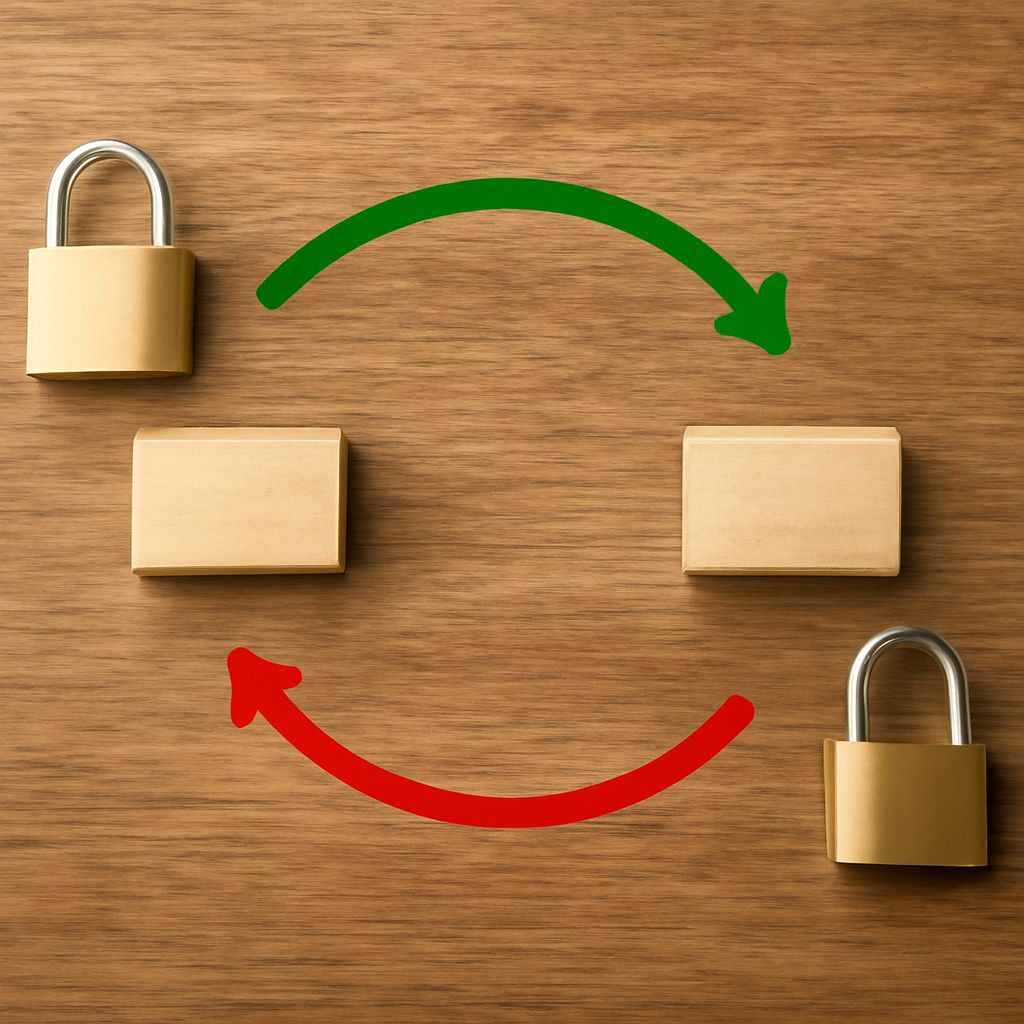
Understanding Mutex and Mutex Lock in Computing
Discover the fundamentals of mutex and mutex lock in computing, including their purpose, applications, and examples for effective multitasking and resource management.
-
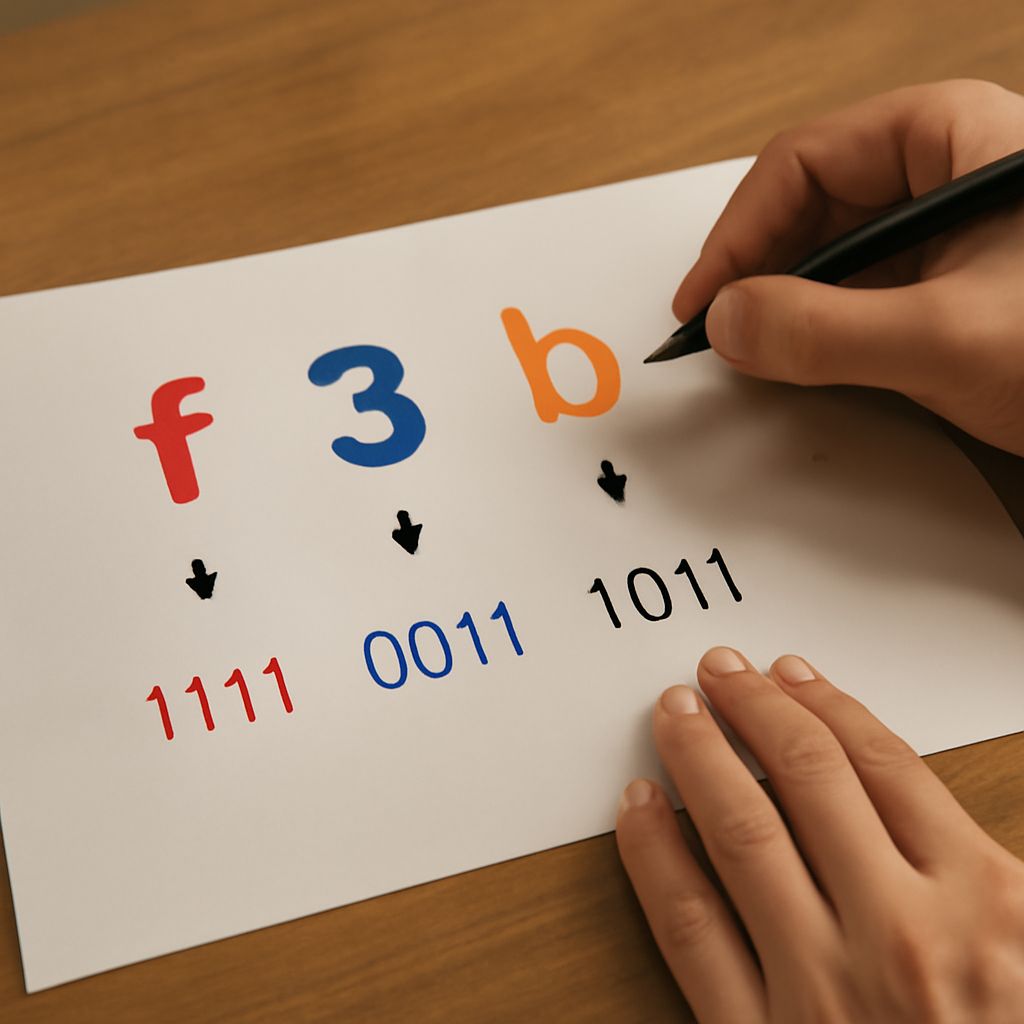
Converting Binary to Hexadecimal: A Step-by-Step Guide
Master the process of converting binary numbers to hexadecimal with our straightforward guide. Understand the logic and steps involved in binary to hex conversion.
-
Insertion Sort in C and JavaScript: Trace, Code, and Complexity
Learn insertion sort in C with a step-by-step trace of each key, comparison, and shift. Then study insertion sort in JavaScript with the same loop logic, complexity, and best use cases.
-
Algorithm Examples in Everyday Life: A Simple Guide
Algorithm examples in everyday life make programming logic clear: follow a recipe, sort objects, choose a route, or troubleshoot a device with ordered steps, inputs, choices, repetition, and outcomes.