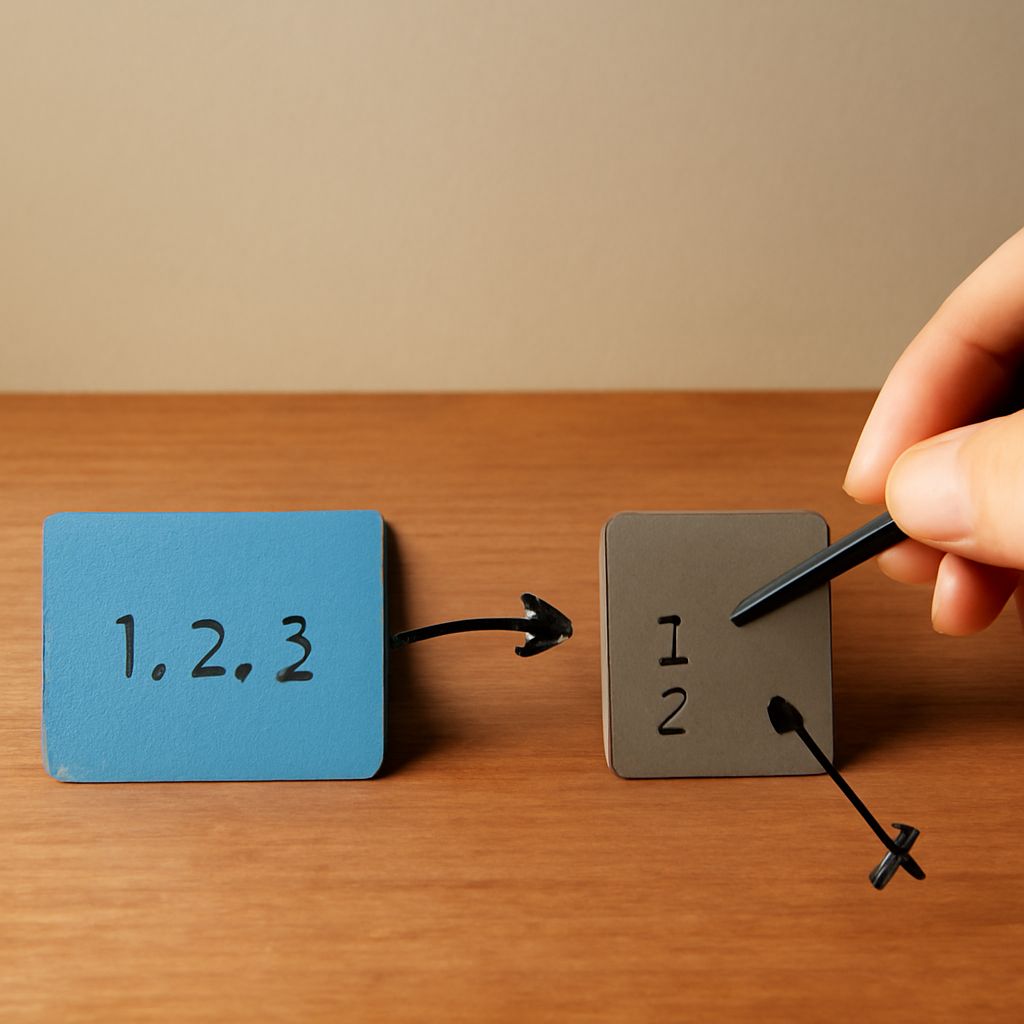
Understanding the concept of iterators is pivotal in the realm of computing, especially when delving into logic and algorithms. Iterators provide a standardized way to access elements of a collection without exposing the underlying structure. Whether you’re working on simple data structures or complex algorithms, iterators streamline processes by simplifying access to data elements.
What is an iterator?
An iterator is an object that enables a programmer to traverse a container, particularly lists, without exposing the underlying mechanics of the data structure. Essentially, it acts as a pointer to the elements in a collection, allowing you to access each item as needed. In programming languages like Python, Java, and C++, iterators are implemented following their specific protocols, ensuring that you can systematically access each element in a sequence.
How iterators work in algorithms
In algorithms, iterators are indispensable tools that bring about efficiency and simplicity. They ensure that you can loop through data structures, such as arrays or linked lists, without worrying about the internal structure. For instance, in a typical for-loop in Python, the range() function returns an iterator that yields numbers within a specified range. This is particularly useful when the algorithm involves repetitive tasks like sorting, searching, or iterating over large datasets.
Common uses of iterators
Iterators find their utility in several common scenarios:
- Data Parsing: They are used to parse through large datasets efficiently, which is crucial in handling big data.
- Generating Sequences: In scenarios where you need to generate sequences on-the-fly without storing all elements at once, iterators are perfect, such as when using generator functions in Python.
- Functional Programming: Iterators are vital in functional programming paradigms, facilitating operations like map, filter, and reduce, which require applying functions to collections.
Benefits of using iterators
Using iterators comes with several advantages:
- Memory Efficiency: Iterators are memory-efficient as they do not require the entire collection to be stored in memory, making them ideal for working with large datasets.
- Simplicity and Flexibility: They offer a simplistic and flexible approach to iterate over complex data structures, ensuring the code is clean and maintainable.
- Enhanced Performance: By abstracting the navigation of data structures, iterators can lead to performance optimizations, especially in algorithms necessitating repeated access to data elements.
By leveraging iterators, you can effectively manage data traversal and manipulation in your programs, optimizing both performance and readability.