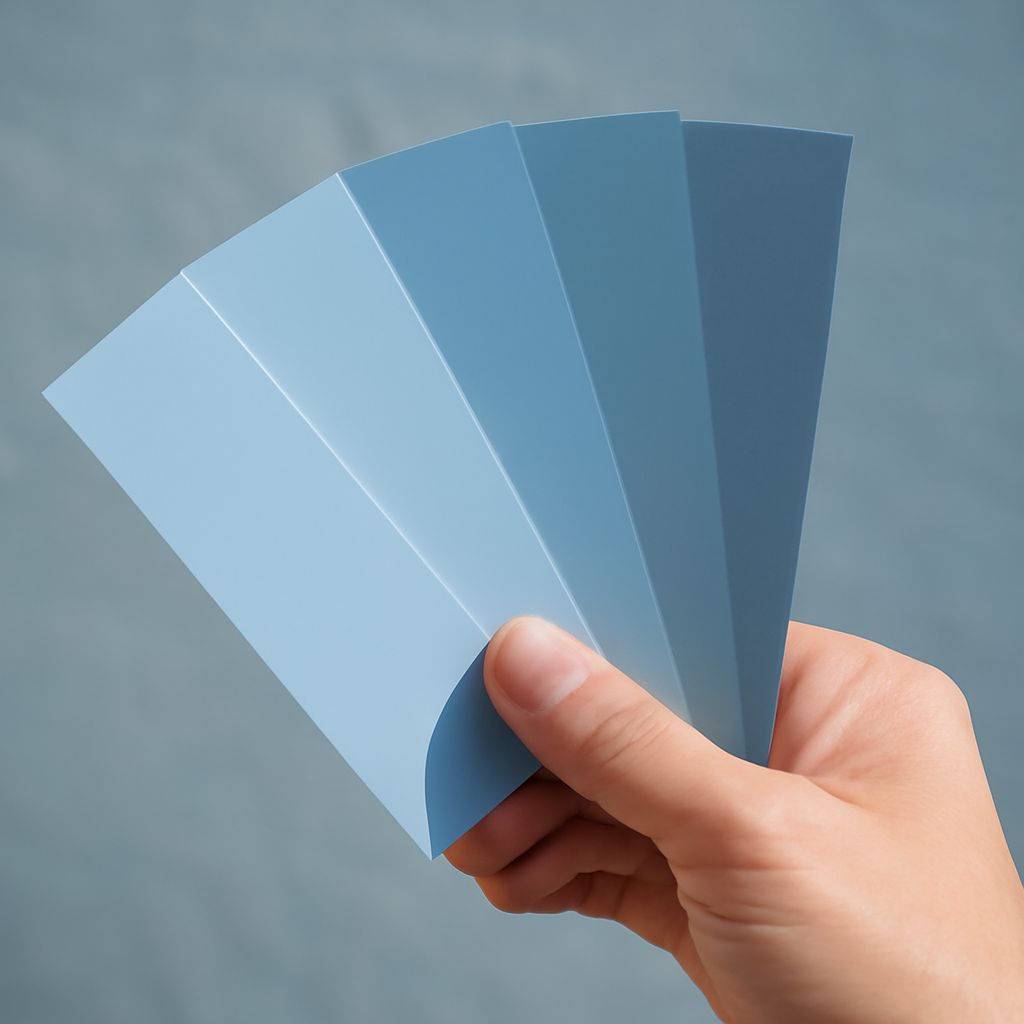
Blue hex codes are essential in web design, offering a spectrum of shades that evoke different emotions and aesthetics. Whether you want to create a calming atmosphere or a vibrant, energetic interface, understanding blue hex colors can significantly enhance your digital projects. This guide will help you explore popular blue hex codes and provide tips on selecting the right shade for your web design needs.
Understanding blue hex codes
Hex codes are six-digit combinations of numbers and letters that represent specific colors in digital design. Each hex code is prefixed by a hashtag (#), followed by a mix of digits and letters that denote the levels of red, green, and blue within the color. For blue hex colors, the primary emphasis is on the blue component, with variations achieved by adjusting the ratios of red and green. This system provides precise color definitions, which is crucial for consistent branding and design across digital platforms.
Popular blue hex colors in web design
Several blue hex codes are favored by web designers due to their versatility and visual appeal. Here are some popular choices:
- #0000FF: Known as pure blue, this code is a classic choice for a bold and unambiguous blue. It’s often used in interfaces that require a strong contrast.
- #1E90FF: Also called Dodger Blue, this shade is vibrant and energetic, perfect for call-to-action buttons and links.
- #4682B4: Steel Blue offers a more subdued and sophisticated appearance, ideal for backgrounds or professional themes.
- #5F9EA0: Cadet Blue is a muted tone that works well in minimalist designs or as a secondary color complementing brighter elements.
- #ADD8E6: Light Blue brings a soft and calming effect, suitable for sites focusing on wellness or relaxation.
Choosing the right blue for your project
Selecting the best shade of blue for your web design depends on several factors, including the project’s purpose, target audience, and existing branding elements. Here’s how to choose the right blue hex color:
- Understand your brand identity: If your brand is associated with trust and professionalism, consider deeper blues like #0000FF or #4682B4. For a more youthful and dynamic vibe, #1E90FF or #ADD8E6 might be better.
- Consider the emotional impact: Blues can evoke feelings of calm, reliability, or energy. Know what you want your audience to feel when interacting with your site.
- Test color combinations: A blue shade should complement your existing color palette. Use online tools to test how different blue hex codes pair with other colors on your site.
- Accessibility: Ensure that the blue shades you choose offer sufficient contrast for readability and accessibility compliance, especially for text overlays.
By understanding and experimenting with blue hex codes, you can create compelling designs that resonate with your audience and align with your brand’s identity. Consider how each shade fits into your overall design strategy and enhances the user experience.