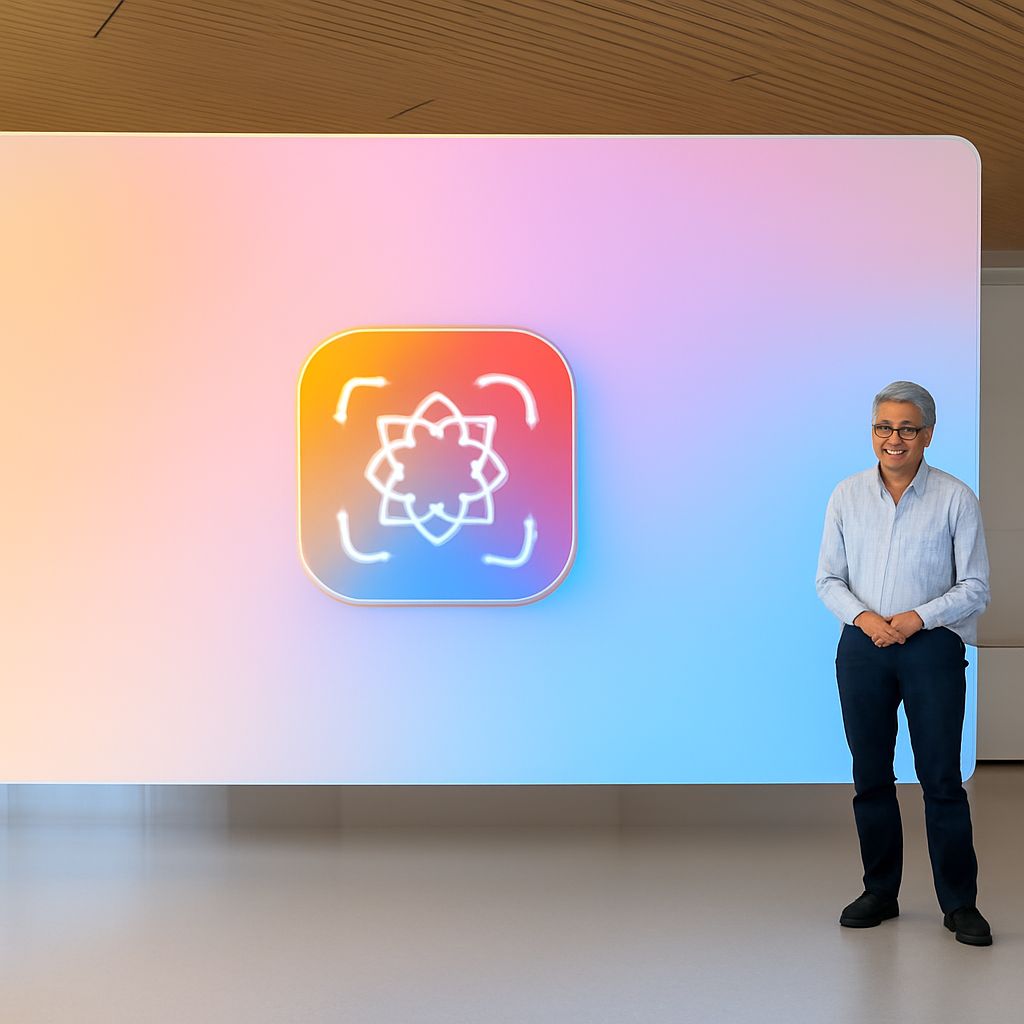
In today’s fast-paced digital world, visual intelligence plays a crucial role in how we interpret, design, and interact with graphic formats. It affects everything from the aesthetics of a website to the usability of an app. By understanding and leveraging visual intelligence, designers can create more effective and engaging user experiences. Let’s delve into this concept and see how it transforms graphic design and user interaction.
What is visual intelligence?
Visual intelligence refers to the ability to interpret, understand, and make decisions based on visual information. It encompasses skills such as recognizing patterns, understanding spatial relationships, and drawing insights from visual cues. In graphic design, visual intelligence enables the integration of elements that communicate effectively with the audience, ensuring that messages are not just seen but also understood.
The role of visual intelligence in graphic design
In graphic design, visual intelligence is fundamental in creating compositions that are not only visually appealing but also meaningful and functional. Designers rely on visual intelligence to balance elements like color, form, and space to produce harmonious designs. By leveraging visual intelligence, designers can guide a viewer’s attention, evoke emotions, and convey complex information succinctly.
- Color Selection: Visual intelligence aids in the choice of colors that evoke specific emotions or highlight important information. For example, red might be used to attract attention or indicate urgency, while blue may convey trust and dependability.
- Layout and Composition: Understanding spatial relationships and the alignment of visual elements ensures a balanced and organized design. This helps in creating a visual hierarchy that directs the viewer’s eye to the most critical parts of a graphic.
- Typography: The selection and arrangement of type need to be visually coherent and aligned with the overall design to enhance readability and comprehension.
How visual intelligence enhances user interaction
Visual intelligence significantly influences how users interact with digital interfaces. By applying principles of visual intelligence, designers can anticipate user needs and create intuitive navigation paths that improve the overall user experience.
- Intuitive Navigation: By understanding how users visually process information, designers can place navigation elements where users naturally look, reducing the cognitive load and making it easier for them to find what they need.
- Feedback and Response: Visual cues such as animations or highlighting can provide feedback to users, reinforcing their actions and guiding them towards the next steps.
- Accessibility: Visual intelligence also involves designing for inclusivity. Ensuring that graphics are accessible to users with visual impairments through contrast checks or alternative text descriptions enhances user interaction for all.
By mastering the principles of visual intelligence, designers can create graphics and interfaces that not only look good but function seamlessly, fostering better communication and interaction with users. Whether through effective color schemes, thoughtful layouts, or user-friendly navigation, visual intelligence remains a key player in the evolution of graphic design and digital interaction.